
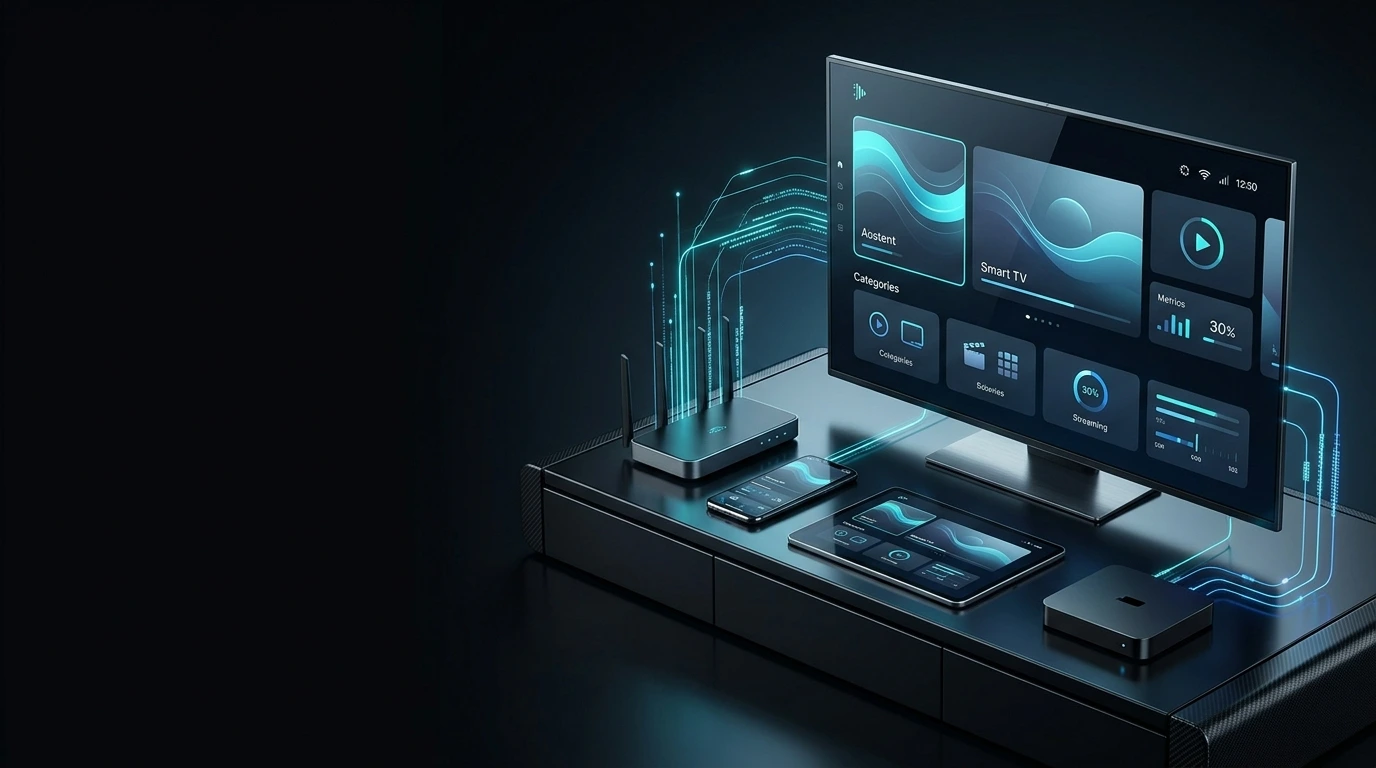
What Is IPTV and How Does It Work?
Learn how Internet Protocol Television works, how IPTV differs from traditional TV, what devices you can use, and what to consider when choosing a streaming service.
Television has changed significantly in recent years. Instead of relying exclusively on cable, satellite, or terrestrial television, viewers can now access video content through internet-based networks. One of the technologies behind this change is IPTV. In this guide, we'll explain what IPTV means, how it works, what devices can support it, and what you should consider before choosing an IPTV service.
What Does IPTV Mean?
IPTV stands for Internet Protocol Television.
Unlike traditional television services that commonly deliver broadcasts through cable, satellite, or terrestrial transmission, IPTV uses an internet or IP-based network to deliver television and video content to a compatible device.
In simple terms, traditional television normally relies on a specific broadcast or distribution infrastructure, while IPTV uses Internet Protocol technology to transport video data through a network.
IPTV is therefore not simply another name for watching a random video online. It describes a system for delivering television or video programming using IP-based networking.
How Does IPTV Work?
An IPTV system can involve several components working together. The exact architecture depends on the service, platform, content source, and delivery method.
Content Is Prepared
Video content is encoded and prepared for digital distribution so that it can be delivered efficiently across an IP network.
Content Is Delivered
The prepared video is transmitted through an internet or managed IP network to the relevant streaming platform or viewer.
Your Device Receives the Stream
A compatible Smart TV, streaming device, smartphone, tablet, computer, or other supported hardware receives and processes the incoming data.
The Video Appears on Your Screen
The application or player processes the stream and displays the video, creating the viewing experience you see on your screen.
IPTV vs Traditional Television
One of the easiest ways to understand IPTV is to compare the way different television technologies deliver content.
Cable TV
Cable television uses a physical cable network to deliver television signals to subscribers.
Satellite TV
Satellite television uses satellite transmission to deliver television signals to a compatible dish and receiver.
Terrestrial TV
Terrestrial television uses radio-frequency transmission from broadcast infrastructure to compatible antennas and receivers.
IPTV
IPTV uses an IP-based network to deliver television and video content to compatible devices.
The biggest difference is therefore the method used to transport the content from the provider or source to the viewer.
Is IPTV the Same as Streaming?
IPTV and online streaming are closely related, but the terms are not always interchangeable.
Streaming is a broad term describing the delivery of audio or video content over a network without requiring the entire file to be downloaded before playback.
IPTV is more specifically associated with television or video services delivered through IP networks.
An IPTV platform may provide live television, video-on-demand, catch-up functionality, or other television-style services, depending on the provider and platform.
What Types of IPTV Content Are Available?
Different IPTV services can provide different types of content. There is no universal content package that applies to every IPTV service.
Live TV
Live television allows viewers to watch programming as it is being broadcast or distributed through the service.
Video on Demand
Video-on-demand, commonly called VOD, allows users to select available content and watch it when they choose.
Catch-Up and Replay
Some IPTV platforms support catch-up or replay functionality, allowing viewers to access previously broadcast programming for a limited period.
Series and Entertainment
Depending on the service, an IPTV platform may also provide access to television series, entertainment programming, or other forms of video content.
What Do You Need to Use IPTV?
Getting started with IPTV does not necessarily require complicated hardware. In general, you need three basic components.
1. A Suitable Internet Connection
Because IPTV uses an IP network to deliver video, your connection needs to be capable of handling the stream. Requirements can vary depending on video resolution, bitrate, the number of connected devices, and other network activity.
2. A Compatible Device
You need a device capable of running the required IPTV application or receiving the relevant streaming service.
Depending on compatibility, this can include:
- Smart TVs
- Android TV devices
- Smartphones
- Tablets
- Computers
- Compatible streaming hardware
Before subscribing, always check whether your specific device and operating system are supported.
Visit the Strong8K Apps & Devices page to learn more about supported platforms.
3. A Compatible IPTV Service or Application
The final component is the IPTV service or compatible application. Depending on the platform, the service may provide access through its own application or through a compatible third-party player.
Setup instructions can vary, so users should follow the instructions supplied for their specific service and device.
What Is an IPTV App?
An IPTV application is software that allows a compatible device to access and display IPTV content.
Depending on the application, users may be able to browse available content, view live channels, access video-on-demand libraries, manage playlists, view program information, and adjust playback settings.
It's important to understand that an IPTV player does not necessarily provide the content itself. A player can provide the software required to play compatible streams, while the actual content may come from a separate service.
Which Devices Can Be Used for IPTV?
Smart TVs
Many modern Smart TVs support streaming applications and, depending on the platform, may allow users to access compatible IPTV applications directly.
Android TV
Android TV devices can provide another flexible option for IPTV and streaming. Users can install compatible applications and connect the device directly to a television.
Mobile Devices
Some IPTV services and applications support smartphones and tablets, allowing users to access compatible content away from their main television setup.
Streaming Hardware
Dedicated streaming devices and TV boxes can also provide access to compatible IPTV applications. The exact setup depends on the hardware, operating system, application, and service.
For more information, visit the Strong8K Apps & Devices page.
What Internet Speed Is Needed for IPTV?
There isn't one universal internet-speed requirement for every IPTV service.
The amount of bandwidth required depends on factors such as video quality, bitrate, the number of devices using the connection, and the overall condition of the network.
A connection can also be affected by:
- Wi-Fi signal strength
- Router performance
- Network congestion
- Distance from the router
- Other devices using the connection
- Streaming device performance
If multiple people are using the same connection for streaming, gaming, downloads, video calls, or other activities, available bandwidth is shared between those activities.
Why Does IPTV Sometimes Buffer?
Buffering occurs when a device cannot receive and process video data quickly enough to maintain continuous playback.
There can be several possible causes.
Unstable Internet Connection
A connection may appear fast enough but still experience interruptions or instability.
Weak Wi-Fi Signal
A device located far from the router or separated by walls and other obstacles may receive a weaker wireless signal.
Network Congestion
Heavy traffic on your home network can reduce the resources available for streaming.
Device Limitations
Older or lower-powered hardware may have difficulty handling certain applications or higher-quality video streams.
Application Issues
An application may need an update or configuration adjustment.
Service-Side Issues
Problems affecting the streaming service or content source can also contribute to playback interruptions.
If you experience streaming problems, visit the Strong8K FAQ & Support page for additional troubleshooting information.
Is IPTV Legal?
This is an important question because IPTV is a technology, not a guarantee that a particular service has rights to every piece of content it distributes.
IPTV itself is a legitimate method of delivering television and video content through IP networks.
The legality of a particular IPTV service depends on factors such as the content being distributed, the provider's licensing arrangements, and the laws applicable in the relevant jurisdiction.
When choosing an IPTV service, consumers should consider whether the provider has the appropriate rights or authorization to distribute the content it offers.
How to Choose an IPTV Service
There are many IPTV and streaming options available, so it is worth evaluating a service carefully before subscribing.
Check Device Compatibility
First, make sure the service works with your preferred device. If you primarily watch television through a Smart TV, check Smart TV compatibility. If you use Android TV, mobile devices, or streaming hardware, check those platforms as well.
Compare Subscription Options
Look at the available subscription periods and choose an option that matches your needs.
You can compare the available Strong8K subscription plans before choosing an option.
Understand the Setup Process
Look for clear instructions explaining how to activate and configure the service on supported devices.
Check Support Resources
A useful streaming service should provide clear information about setup, supported devices, subscriptions, and troubleshooting.
Avoid Unsupported Promises
Be cautious of services that make unrealistic promises about performance, availability, or content. Streaming performance depends on several factors, including the user's network, device, application, service infrastructure, and content source.
IPTV for Resellers
IPTV isn't only relevant to individual viewers. The technology has also created opportunities for businesses and individuals who operate authorized distribution or reseller programs.
An IPTV reseller typically works with a provider or platform to distribute subscriptions or services to customers. Reseller arrangements can vary significantly depending on the provider and program.
If you're interested in building a streaming-related business, explore the Strong8K Reseller Program to learn more about the available approach and requirements.
The Future of Internet-Based Television
The way people consume television continues to evolve. Viewers increasingly expect flexibility across different screens rather than being tied to a single television set.
Smart TVs, mobile devices, streaming hardware, and connected platforms have made it easier for people to access digital entertainment in different environments.
IPTV is part of this broader transition toward internet-based television and digital video delivery.
As network infrastructure, connected devices, and streaming technology continue to develop, internet-based television will remain an important part of the modern entertainment ecosystem.
Frequently Asked Questions About IPTV
What does IPTV stand for?
IPTV stands for Internet Protocol Television. It refers to the delivery of television or video programming through an IP-based network.
Do I need a Smart TV for IPTV?
No. Depending on the service, IPTV may work with Smart TVs, Android TV devices, smartphones, tablets, computers, or compatible streaming hardware.
Does IPTV require the internet?
Internet-based IPTV generally requires a suitable network connection because video content is delivered through an IP network.
Is IPTV the same as Netflix?
Not exactly. Netflix is a specific streaming service, while IPTV describes a technology and delivery method for television or video content over IP networks.
Can I watch IPTV on my phone?
Some IPTV services and applications support mobile devices. Compatibility depends on the specific service and application.
Why does IPTV buffer?
Buffering can result from network instability, weak Wi-Fi, congestion, device limitations, application problems, or issues affecting the streaming service.
Is every IPTV service legal?
No. IPTV is a technology, and individual services can have different content rights and licensing arrangements. Users should choose services that are appropriately authorized to distribute their content.
How do I get started with Strong8K?
Start by reviewing the available Strong8K plans and checking whether your preferred device is supported. Then follow the service's setup instructions for your platform.
Ready to Explore Strong8K?
Explore Strong8K subscription options, check supported devices, and discover reseller solutions designed around modern streaming.
3 Responses